Key takeaways
- All three headline sights are free to enter. You pay a per-car parking fee at Þingvellir and at Geysir, and a small per-person entry fee at Kerið because the crater is private land. The detail is at is the Golden Circle free.
- The loop runs 6–8 hours with short stops, of which a bit over three is pure driving. Per-stop minutes for every tour at how long it takes.
- The classic full day is the cheapest of the eight (7–8.5 hours on a large coach); just above it sits six hours in the afternoon, once the morning coaches are heading home. Current pricing for both is on the price page.
- A small-group bus is capped at 19 people against a full-size coach on the cheapest coach, and you feel it in the queue at Strokkur — see small-group tours.
- The Blue Lagoon combo is an 11-hour day, which reads dear until you notice that Comfort admission to the lagoon is included. Broken down at Golden Circle + Blue Lagoon.
What the classic full-day tour includes
The classic coach is the tour most people end up on. Here is the day it buys, and the two things it does not.
The stops, with minutes
- Hveragerði — a 15-minute break about 40 minutes out
- Kerið crater — 20 minutes, enough for the rim walk
- Gullfoss — 45 minutes at the two-stage falls
- Geysir and Strokkur — 80 minutes, lunch inside that
- Þingvellir — 45 minutes walking Almannagjá
In the price, and not
- Live English guide and a large air-conditioned coach
- Hotel or bus-stop pickup from 23 points, or meet at Bus Stop 12, Höfðatorg on Þórunnartún
- Kerið’s entrance fee, so nothing to pay at the kiosk
- Lunch is not included — you buy it yourself at Geysir
- Kerið is dropped on departures at 12:00 or later
- Free cancellation up to 24 hours before; weather cancellations get another date or a refund
Where the full-day tour goes, in order
Stop by stop, with the minutes the operator actually allows for each.
Most Golden Circle tours run clockwise and open at Þingvellir. This one goes the other way: east on Route 1, up Route 35, and it reaches Gullfoss and Geysir while the clockwise coaches are still parked at the rift.
- Reykjavík to Hveragerði — About 40 minutes on Route 1, then a 15-minute break in the greenhouse town.
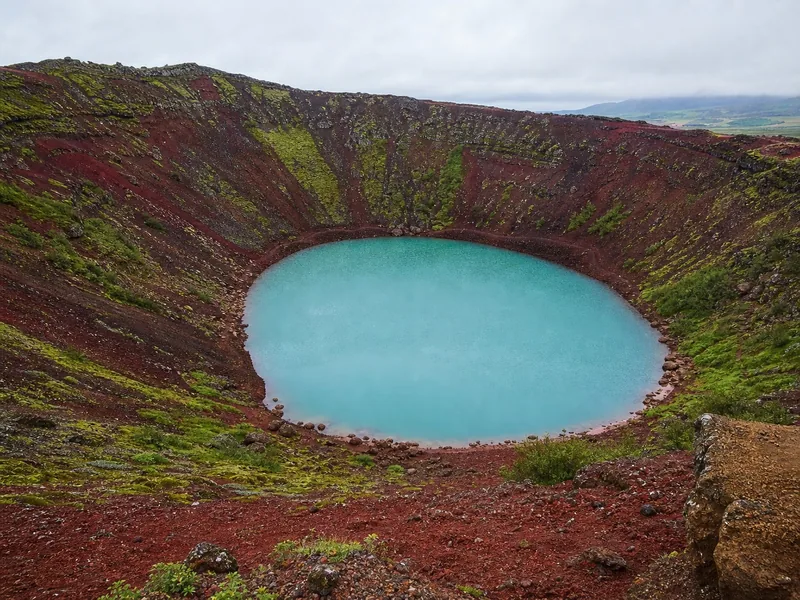
- Kerið — 20 minutes at a crater about 6,500 years old, 55 m deep and roughly 170 m wide. The rim walk takes 10–15 of those minutes; a path drops to the water.
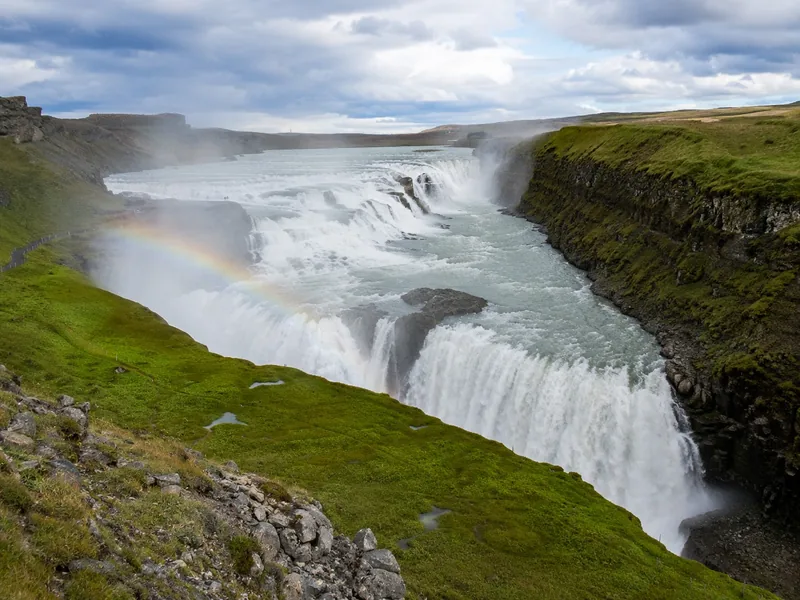
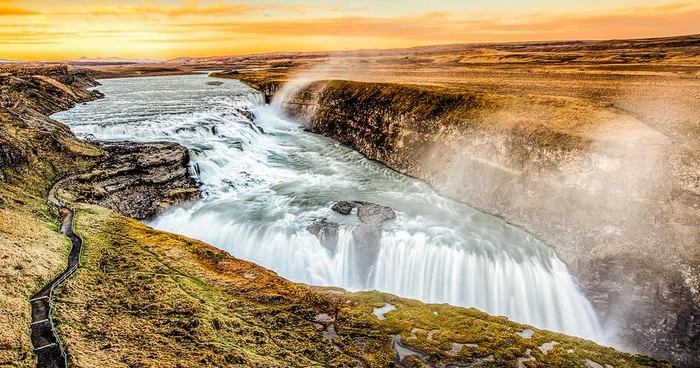
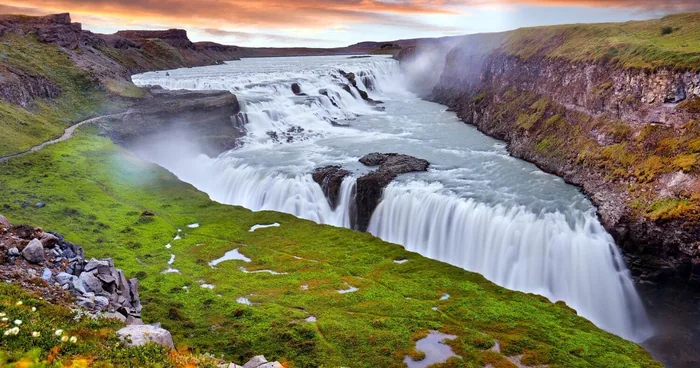
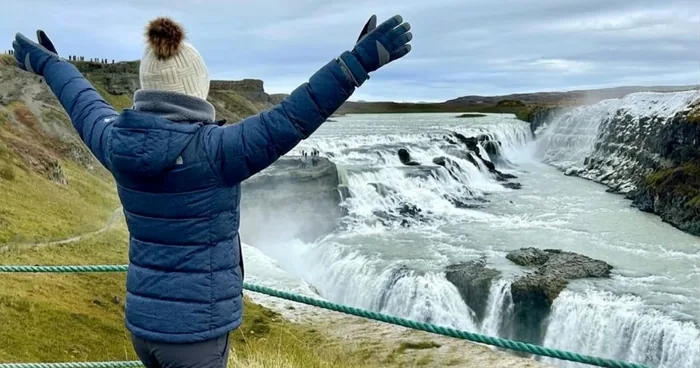
- Gullfoss — 45 minutes on the glacial Hvítá, which falls 11 m then 21 m into a crevice 32 m deep. Upper car park is the flat one; the lower path is stairs and ices over.
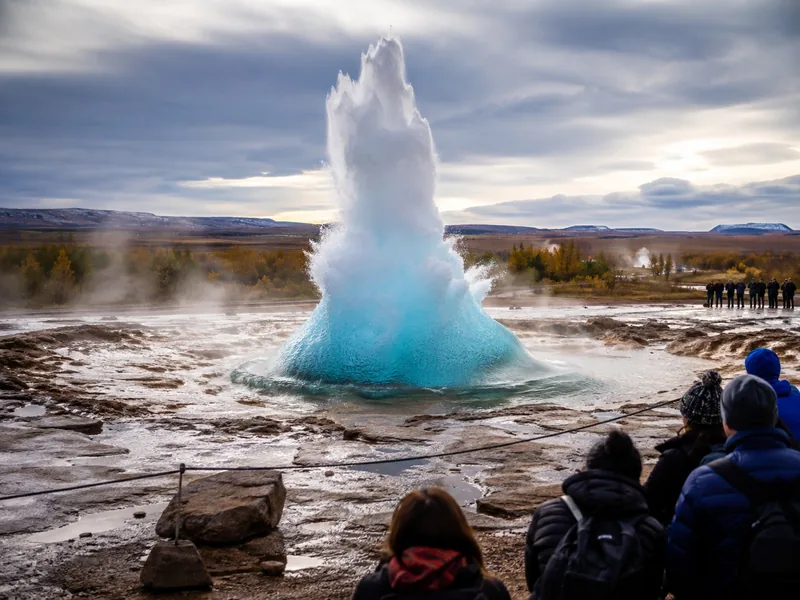
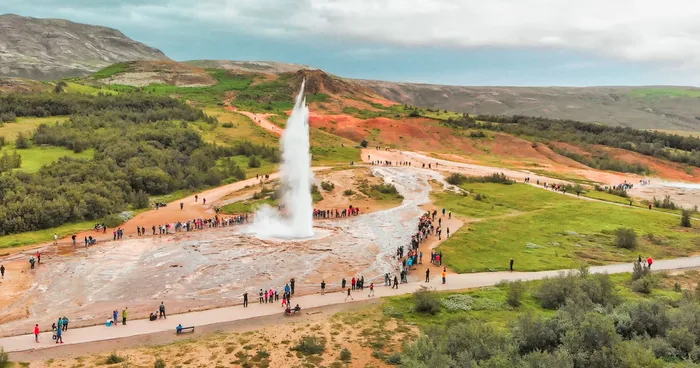
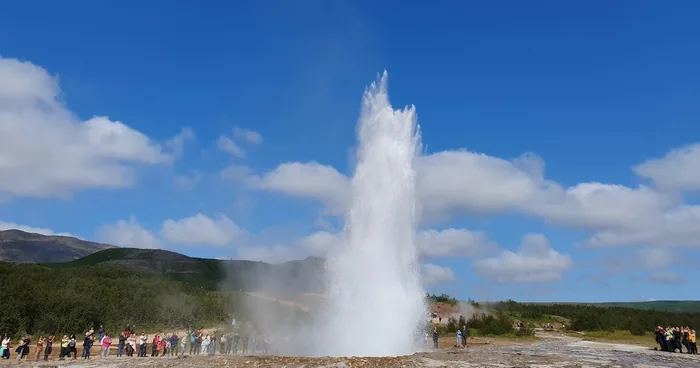
- Geysir, Haukadalur — 80 minutes including lunch at your own cost. Strokkur goes every 6–10 minutes, usually 15–20 metres, sometimes higher. The Great Geysir, 50 m north, is dormant.
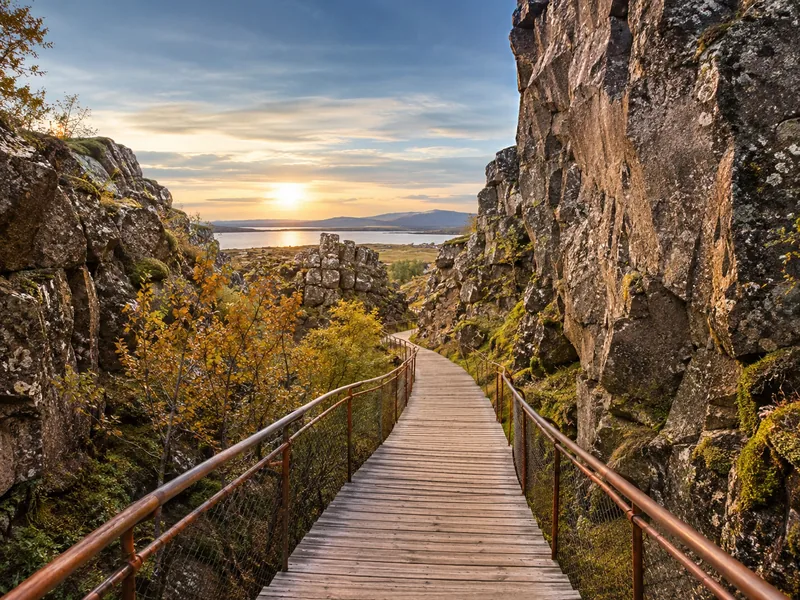
- Þingvellir National Park — 45 minutes walking the rift between the North American and Eurasian plates: Almannagjá, the boardwalk, and the ground where the Alþingi met from 930.
- Back to Reykjavík — About an hour, dropping at the same points it collected from.
Door to door that is 7–8.5 hours. The afternoon tour squeezes the same sights into six; the lagoon combos stretch to ten and eleven. Every tour’s timings are set out at how long the Golden Circle takes.
How booking works
Pick your rung
Six hours or eleven, coach or minibus, lagoon or no lagoon. All eight are laid out on the tours page.
Check live dates
The widgets below pull real GetYourGuide departures and prices in US dollars.
Book now, decide later
Every tour here cancels free up to 24 hours before, so an early booking costs you nothing if the forecast turns.
Dress for wind, not cold
A waterproof shell, layers under it, and shoes that cope with wet gravel. Detail at what to wear.
Check dates on the classic full-day tour
The departure I point first-timers at: the three headline sights plus Kerið, a live guide, and pickup if you want it. Summer mornings fill first.
Six hours, eight hours or eleven?
The three tours people weigh against each other most often, side by side.
| Reykjavík: Golden Circle Afternoon Small Group Tour | Top pickReykjavik: Golden Circle Full-Day Tour with Kerid Crater | Reykjavik: Golden Circle, Kerid Crater, & Blue Lagoon Tour | |
|---|---|---|---|
| Price | Check latest price | Check latest price | Check latest price |
| Duration | 6 h, afternoon start | 7–8.5 h | 11 h |
| Vehicle | Small group | Large coach | Small-group minibus |
| Stops | Þingvellir 25 min, Gullfoss 20, Geysir 45, Kerið 20 | Hveragerði, Kerið, Gullfoss 45, Geysir 80, Þingvellir 45 | Þingvellir, Geysir, Gullfoss, Kerið |
| Lagoon | None | None | Blue Lagoon, about 2 h |
| Pickup | 21 pickup points | 23 points, or Bus Stop 12 | Reykjavík hotels |
| Rating | 4.7 | 4.8 | 4.9 |
| View → | Book this → | View → |
Photo Gallery
What you actually see out there
The stops these eight tours are built from, in the order the roads take them.
The eight Golden Circle tours worth comparing
Four ways to drive the loop, four ways to bolt something on to it. Live dates and prices on each.
 Most bookedKerið
crater visit
Most bookedKerið
crater visitReykjavik: Golden Circle Full-Day Tour with Kerid Crater
 Late startKerið
entry fee included
Late startKerið
entry fee includedReykjavík: Golden Circle Afternoon Small Group Tour
 Max 19 guestsHotel
pickup included
Max 19 guestsHotel
pickup includedGolden Circle and Kerið Crater Small Group Tour
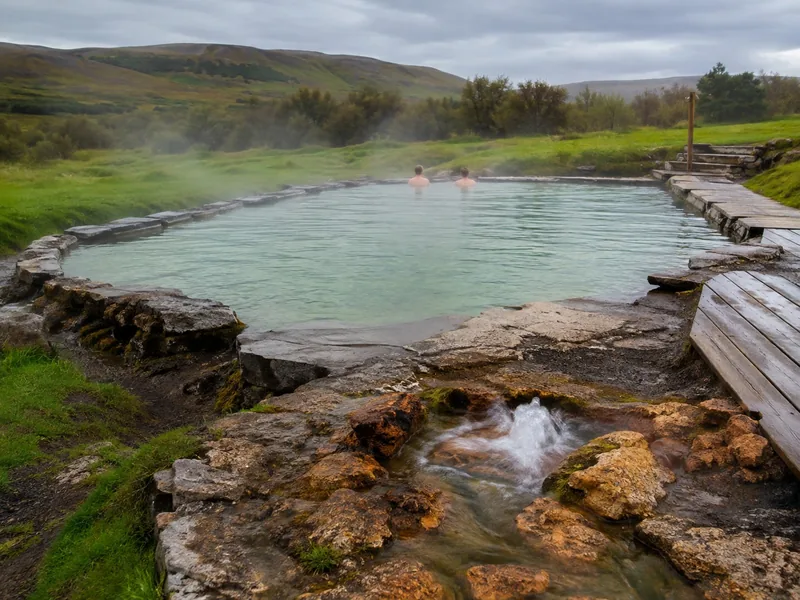
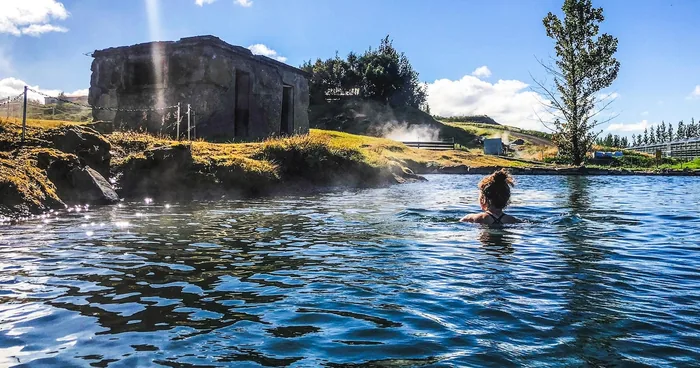 Hot-spring comboSecret Lagoon entry included
From Reykjavik: Golden Circle, Kerid, & Secret Lagoon Tour
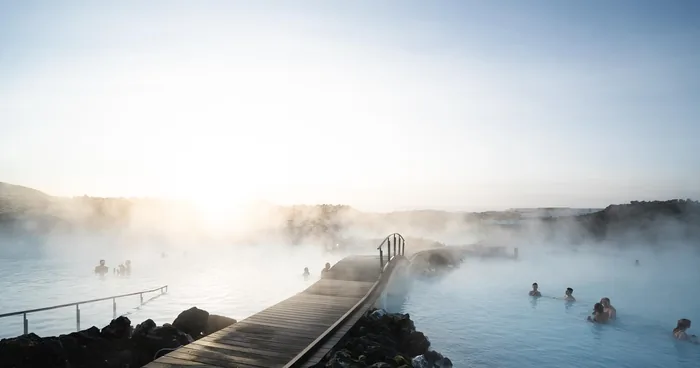 Top ratedBlue
Lagoon admission included
Top ratedBlue
Lagoon admission includedReykjavik: Golden Circle, Kerid Crater, & Blue Lagoon Tour
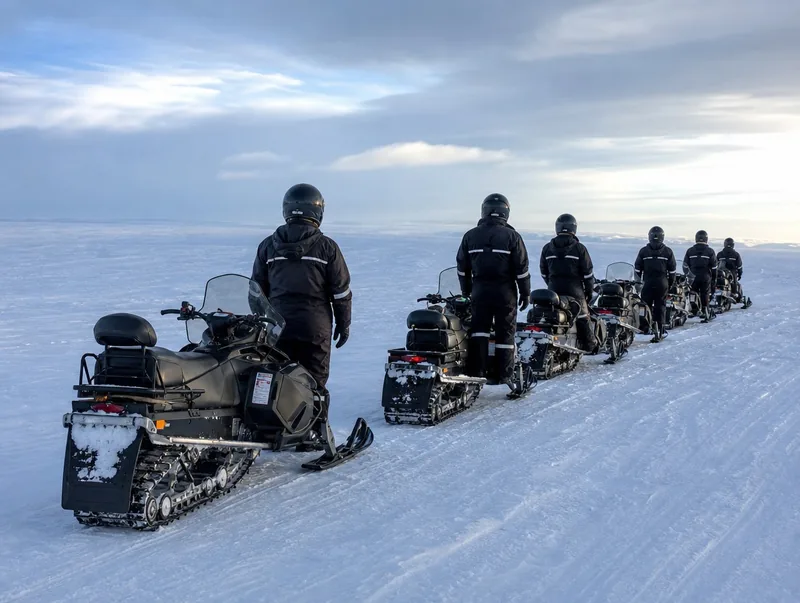
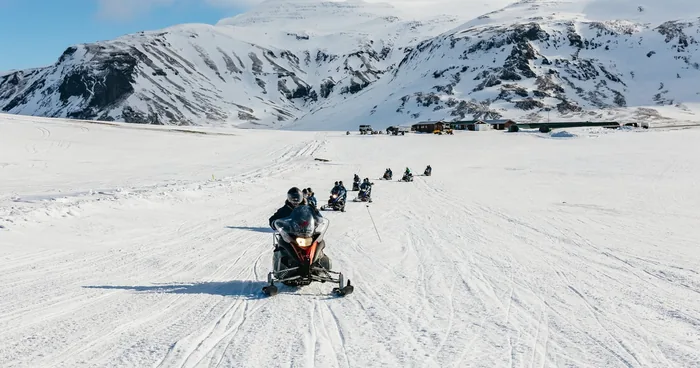 Glacier add-on1-hr
snowmobile ride included
Glacier add-on1-hr
snowmobile ride includedFrom Reykjavik: Golden Circle and Glacier Snowmobiling
 German-speakingCruise-terminal pickup
Reykjavik: German-Speaking Golden Circle Shore Excursion Small Group Tour
 PrivateAirport pickup
available
PrivateAirport pickup
availableGolden Circle Private Tour from Keflavik or Reykjavik
What people say about these tours
Snippets from travellers who booked the eight departures listed above.
Great tour with the right amount of time at stops. Guide was knowledgeable and bus ride was comfortable.
Saw a lot for a half-day tour; good group size.
It is recommended to visit this in a small group, as there are already so many people at all those places.
The Secret Lagoon was lovely, wish it had been at the end.
It is a very busy day, however, at a good pace.
Only criticism: walking on the ice was treacherous.
Ratings and reviews are the operators’ live GetYourGuide figures. Read our full tour reviews ›
Four things people ask me before they book
The questions that actually change which tour you should take.
Coach or minibus?
The classic full-day tour uses a full-size coach that works to fixed photo-stop timings, which is fine if you want the sights and a guide. A minibus capped at 19 loads faster, reaches the Strokkur railing sooner and picks up extra stops when the guide feels like it — see small-group tours.
Do I have to pay to get in anywhere?
No. Þingvellir, Geysir and Gullfoss have no entrance fee. Drivers pay a per-car parking fee at Þingvellir and at Geysir, and everyone pays a small per-person entry fee at Kerið, which is private land. On a tour, all of that is handled — the full breakdown.
What time should I leave Reykjavík?
Either 07:00–08:00, which puts you at Þingvellir ahead of the coach wave, or after 19:00 in summer when the light is still good and the car parks have emptied. Most tours go 08:00–10:00 or 12:00–14:00 — more at what time to leave.
Can I just rent a car and do it myself?
In June, with a full car and a driver who is happy on gravel car parks, yes, and it is usually cheaper per head. In February, on a short day with ice on Route 35 and nobody sober enough to drive home from a hot spring, no. I weigh it up at tour vs self-drive.
Can’t make these dates?
Browse more available golden circle iceland tour and find one that fits your schedule — all with instant confirmation and free cancellation.
The Golden Circle, explained
I guided this loop for six seasons, out of BSÍ and the Höfðatorg bus stops, and I still drive it more weeks than not. The question I got asked most on the coach was never about geology. It was some version of: did I need to book this at all? Here is the honest answer.
It is a route, not a place
There is no gate marked Golden Circle, no ticket office, no boundary on a map. The name covers a driving loop east of Reykjavík that strings together three sights of completely different kinds: a rift valley, a geothermal field and a waterfall. Drive to those three and back with no detours and you cover about 230 km; add Kerið and the Route 35 leg south past Selfoss and it is nearer 300. Route 1 out of the city, 36 to Þingvellir, 365 and 37 across to Laugarvatn and Geysir, then 35 up to Gullfoss and back down. All paved.
Þingvellir, where the ground is coming apart
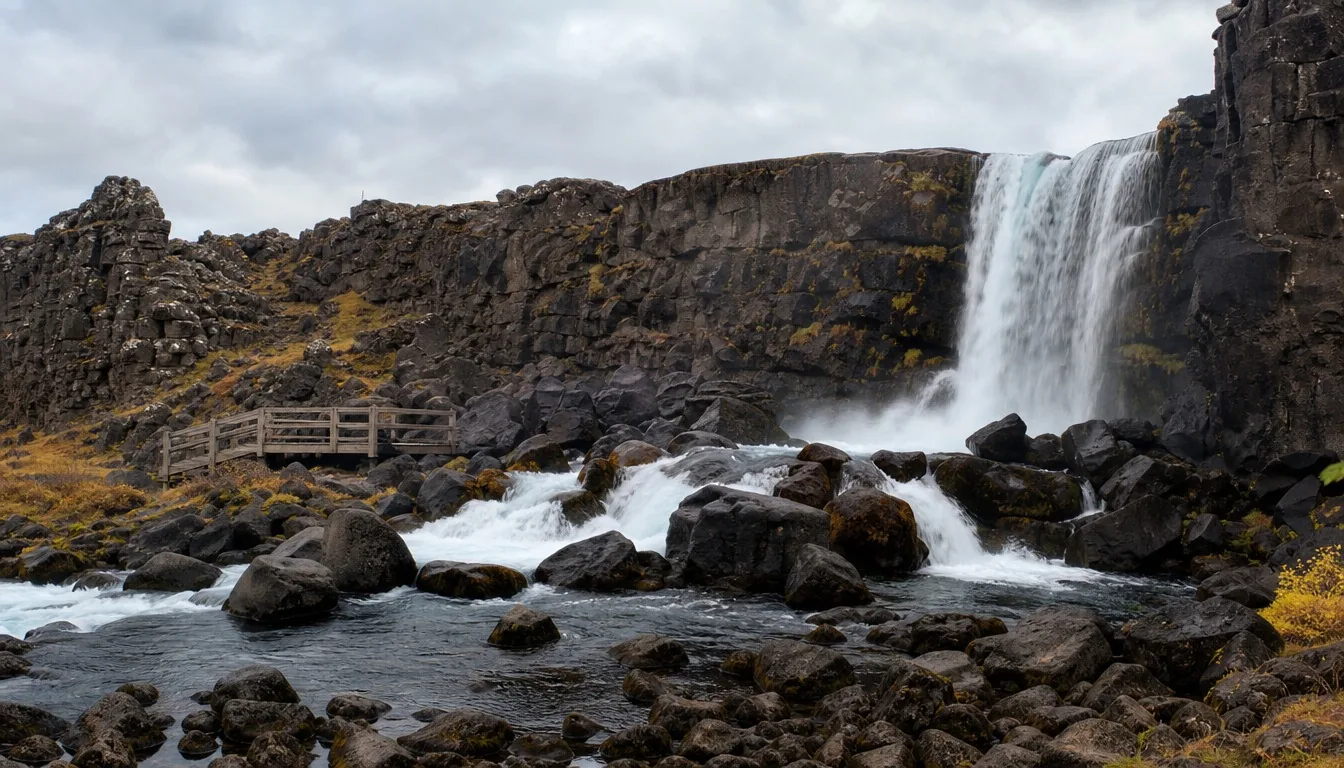
Þingvellir sits about 45 km northeast of Reykjavík, roughly an hour by road, on the Mid-Atlantic Ridge where the North American and Eurasian plates pull apart a few centimetres a year. Almannagjá is the largest fissure, and you walk down it on a boardwalk; the Öxará river drops into the same canyon at Öxarárfoss. The Alþingi met on this ground from 930 until its last session here in 1798. National park since 1930, UNESCO World Heritage since 2004. Forty-five minutes covers the canyon and the view over Þingvallavatn, Iceland’s largest natural lake. It does not also cover Silfra.
Geysir, and the one that actually goes off
Haukadalur is the geothermal field 61 km on. The Great Geysir gave the world the word geyser and has been mostly dormant for decades. The one that performs is Strokkur, 50 m to the south: every 6 to 10 minutes, usually 15 to 20 metres, occasionally higher. It was blocked around 1900 and has erupted regularly since locals cleared its conduit in 1963. Stand upwind of it. The café, shop and toilets are across the road, which is why most tours park here for an hour or more and call part of it lunch.
Gullfoss, in two drops
Ten minutes further and the Hvítá, fed by a glacier, falls 11 metres, turns, falls another 21, and disappears into a crevice 32 metres deep. Average flow is 141 cubic metres a second in summer and 80 in winter, and you feel the difference in the spray. Sigríður Tómasdóttir, daughter of one of the owners, is credited with stopping a hydroelectric scheme here in the early twentieth century; it has been a permanent conservation site since 1979. The upper car park by the café is the flat one. The lower path to the water is stairs, and in February it is stairs with ice on them.
All of it is free, so what is a tour for?
None of those three charges admission. Driving yourself, you pay a per-car parking fee at Þingvellir, valid all day across P1, P2 and P5; another at Geysir through the Parka app; and a small per-person entry fee at Kerið, which is private land. That is the entire entry cost of the Golden Circle, set out at is the Golden Circle free. So a tour is not selling you access. It sells the driving, 230 to 300 km of it in whatever weather turns up; the timing, which is the only reason an afternoon departure exists; the commentary, meaning someone who can explain a rift valley while you stand in one; and the add-ons that need a booking anyway, a lagoon slot or an hour on a glacier.
Coach, minibus or your own car
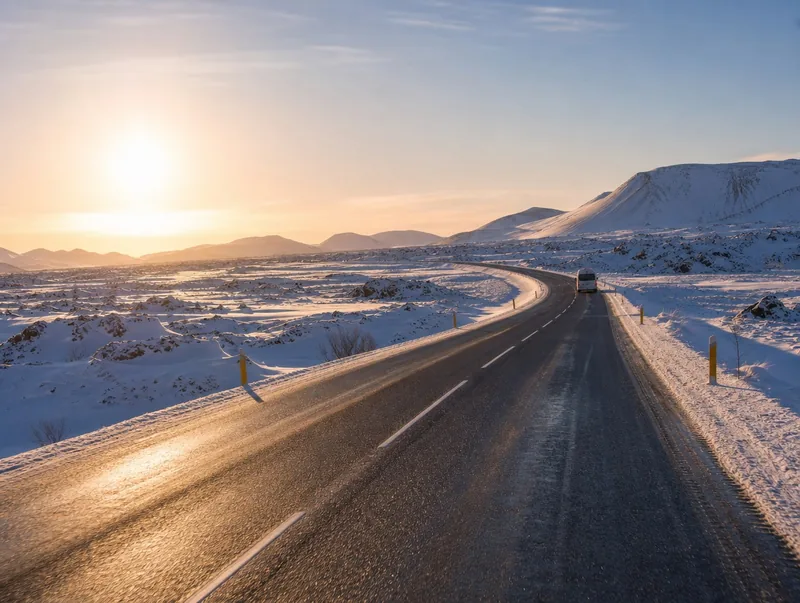
The cheapest tours use full-size coaches working to fixed photo-stop timings. The guides on them are usually excellent, but a full coach takes ten minutes to empty and ten to reload, and you will be behind two other coaches at the Strokkur railing. A bus capped at 19 loads faster, and the guide has room for an unscheduled stop at a farm for ice cream or horses, which is the thing reviewers remember months later: small-group tours. A rental car beats both if there are three or four of you, it is summer, and nobody minds driving. It stops beating them in winter, when the daylight is short and Route 35 can be ice — the sums are at tour vs self-drive.
Timing the day
The coach wave reaches Þingvellir mid-morning and Geysir around midday. To get in front of it, leave Reykjavík between 07:00 and 08:00; to get behind it, go after 19:00 in summer. Most day tours depart 08:00 to 10:00 or 12:00 to 14:00, and the afternoon ones exist precisely because the first group is heading home as you arrive — more at what time to leave. One note nobody puts in a brochure: coaches have no toilet. There are toilets at the Þingvellir visitor centre, the Geysir Centre, the Gullfoss café, the Kerið kiosk and the Hveragerði stop, and they do run out of paper. Carry tissues.
When I would skip it
If this is your first week in Iceland, do not. Three kinds of ground in one day, an hour from the capital, on paved road, has no real equivalent here. If you have driven it before, or you have ten days, a car and the south coast in front of you, spend the day elsewhere and let the loop wait. The longer argument is at is the Golden Circle worth it, and the cold-season version at the loop in winter. Otherwise: pick a rung, book it while it cancels free, and dress as though it will rain, because at some point in the day it will.
Frequently asked questions
What is the best Golden Circle tour from Reykjavík?
For most first-timers it is the classic full-day coach with Kerið crater: 7–8.5 hours, a live English guide, pickup from 23 points, and 45 minutes at Gullfoss, 80 at Geysir and 45 at Þingvellir. If you want fewer people around you, the small-group bus capped at 19 costs a little more — check the latest price on either. My full write-up is at the full-day tour review, and all eight are compared on the tours page.
How long does the Golden Circle take?
Six to eight hours if you stop briefly at the three main sights, of which a bit over three hours is pure driving. The tours here run from six hours (the afternoon departure) to eleven (the Blue Lagoon combo). Per-stop minutes for every option are at how long the Golden Circle takes.
Is the Golden Circle worth it?
On a first trip to Iceland, yes: three sights of genuinely different kinds — a rift valley, an active geothermal field and a big glacial waterfall — inside one day from the capital. On a second trip, or if you already have ten days and a car, the south coast or the Ring Road will repay you more. I argue both sides at is the Golden Circle worth it.
How much does a Golden Circle tour cost?
Cheapest first: the full-day coach, then the six-hour afternoon small group, the max-19 minibus, the version with the Secret Lagoon, the German-speaking cruise excursion, the Blue Lagoon combo, the day with an hour of snowmobiling on Langjökull, and dearest of all a private jeep, which is quoted per group rather than per person. Live prices sit on each booking widget, and what each rung actually buys is set out at Golden Circle tour prices.
Can I do the Golden Circle on my own?
Yes. The whole route is paved — Route 1, then 36, 365/37 and 35 — and no sight charges admission. You pay a per-car parking fee at Þingvellir and at Geysir, and a small per-person entry fee at Kerið. It works well in summer with a full car, and badly on a dark winter day. The comparison is at tour vs self-drive.
Should I skip the Golden Circle?
Skip it if you have already done it, if you have more than about ten days and want the Ring Road instead, or if crowds ruin a place for you and you cannot go early or late. Otherwise no — it is the one day trip that shows you three different kinds of Icelandic ground. See Golden Circle or Ring Road.
What should I wear on the Golden Circle?
A wind- and waterproof shell over layers, a hat and gloves even in July, and sturdy walking shoes for the Gullfoss lower path, the Þingvellir gravel and Kerið’s scoria. Jeans are fine on the coach and poor in rain, because they soak and dry slowly. Swimwear and a towel if your tour ends in a lagoon — full list at what to wear.
What is the best month for the Golden Circle?
June to August gives you the mildest weather and up to about 21 hours of daylight, and the car parks to match. November to February gives you short days — in December the sun is up roughly 11:00 to 15:30 — snow on the loop and a chance of aurora on a clear night. April and October are cheap and quiet with a real snow risk on the roads. Month by month at best time to visit.
Still have questions? Email us [email protected]